OpenAI Just Dropped Images 2.0 And It's Actually Good Now
OpenAI launched Images 2.0 this week. Text works. Detail holds. But the real story isn't the features, it's why they shipped it at all.
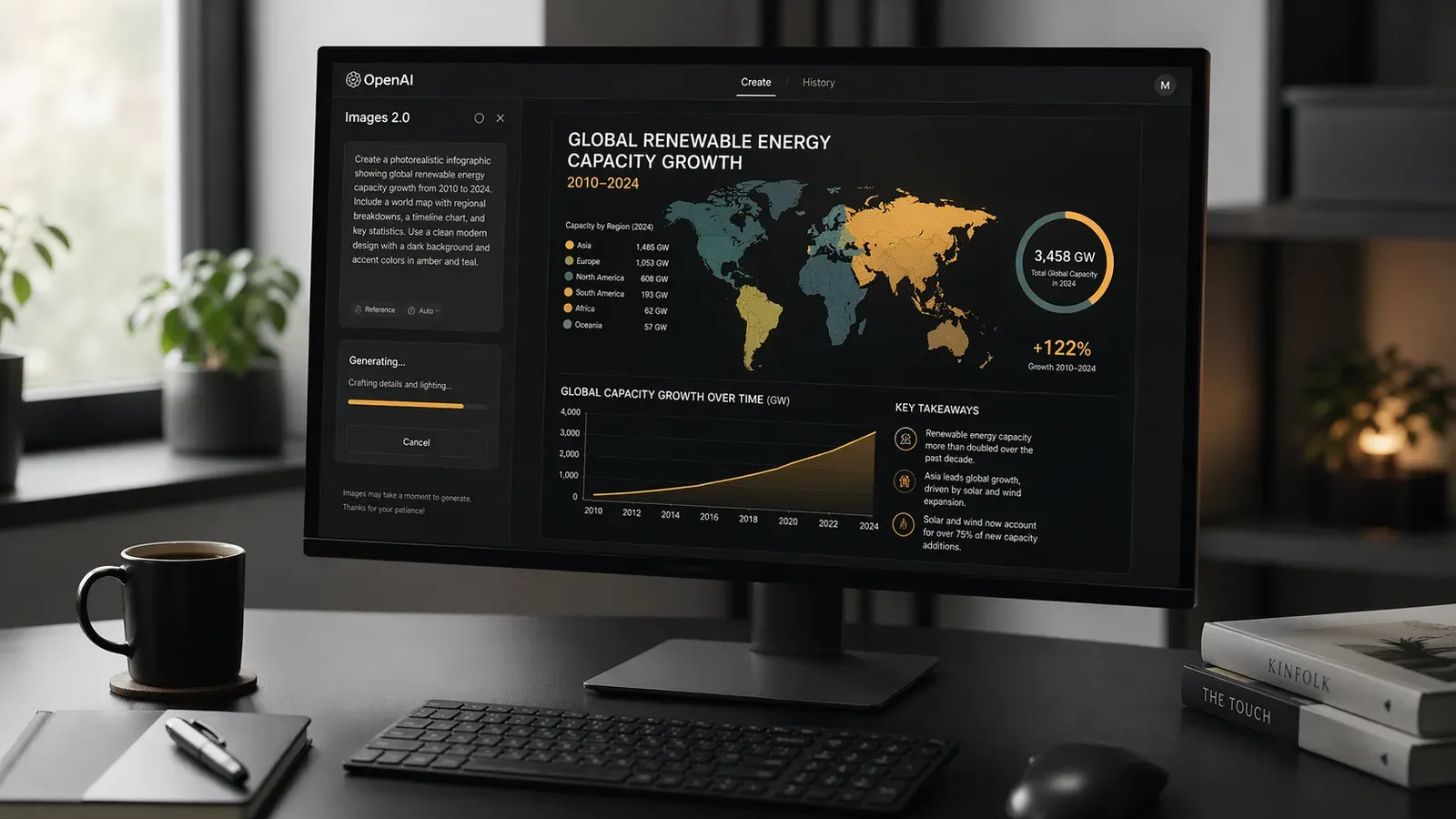
OpenAI launched a new image generator this week. Depending on who you ask, it’s either a creative breakthrough or the start of an AI slop renaissance. The truth’s somewhere in the middle, as it usually is.
But the interesting bit isn’t the tool. It’s why it exists.
The quick backstory
Back in February, ChatGPT hit 900 million weekly users. OpenAI wants a billion. Then Google went and launched Nano Banana Pro with actual reasoning built in, and suddenly OpenAI needed a response. Images 2.0 is that response. And it borrows the same trick Google uses, which is letting the model actually think before it starts generating.
So that’s the context. OpenAI didn’t ship this because they were ready. They shipped it because they had to.
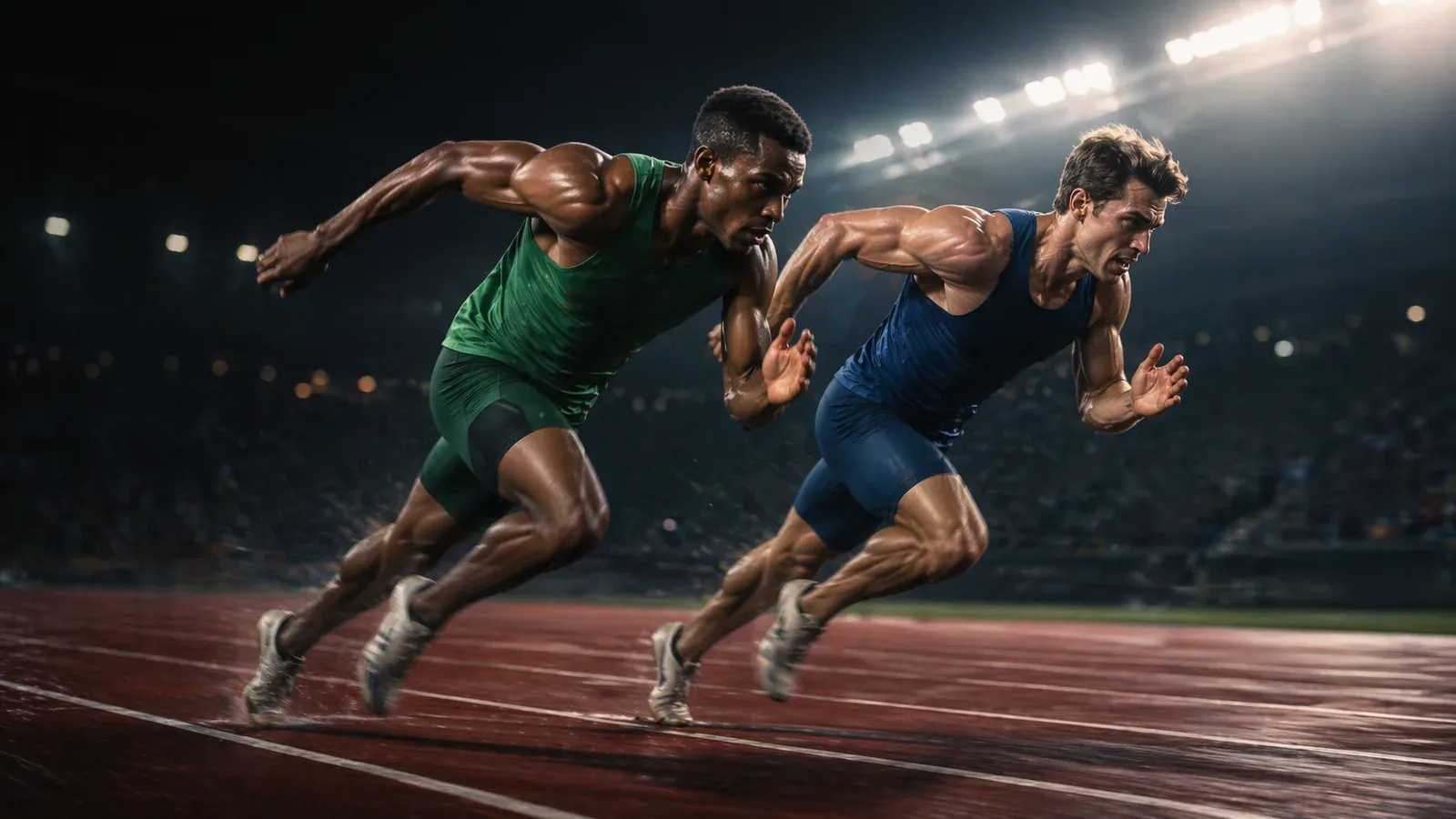
It can finally spell
The standout feature is text. Old image generators famously couldn’t spell. Ask for a sign that said “coffee shop” and you’d get “coffe shpo” or something that looked like it was written by a cat walking on a keyboard.
Images 2.0 handles small text, UI elements, and even non-Latin scripts like Japanese, Korean, and Hindi. OpenAI showed off a bowl of rice with the model’s name written on a single grain. And it actually worked.
That’s a bigger deal than it sounds. Text is the thing that used to instantly give AI images away. If the model can now put real words on real things without making them look like a ransom note, a lot of use cases that were off the table six months ago are suddenly back on.
The detail leap
The second thing is fidelity. Multi-panel comics, detailed infographics, product mockups with tiny labels. The kind of stuff that used to need a designer. Images 2.0 holds detail across all of it. For anyone doing AI-assisted marketing, that’s a real shift in what you can produce yourself.
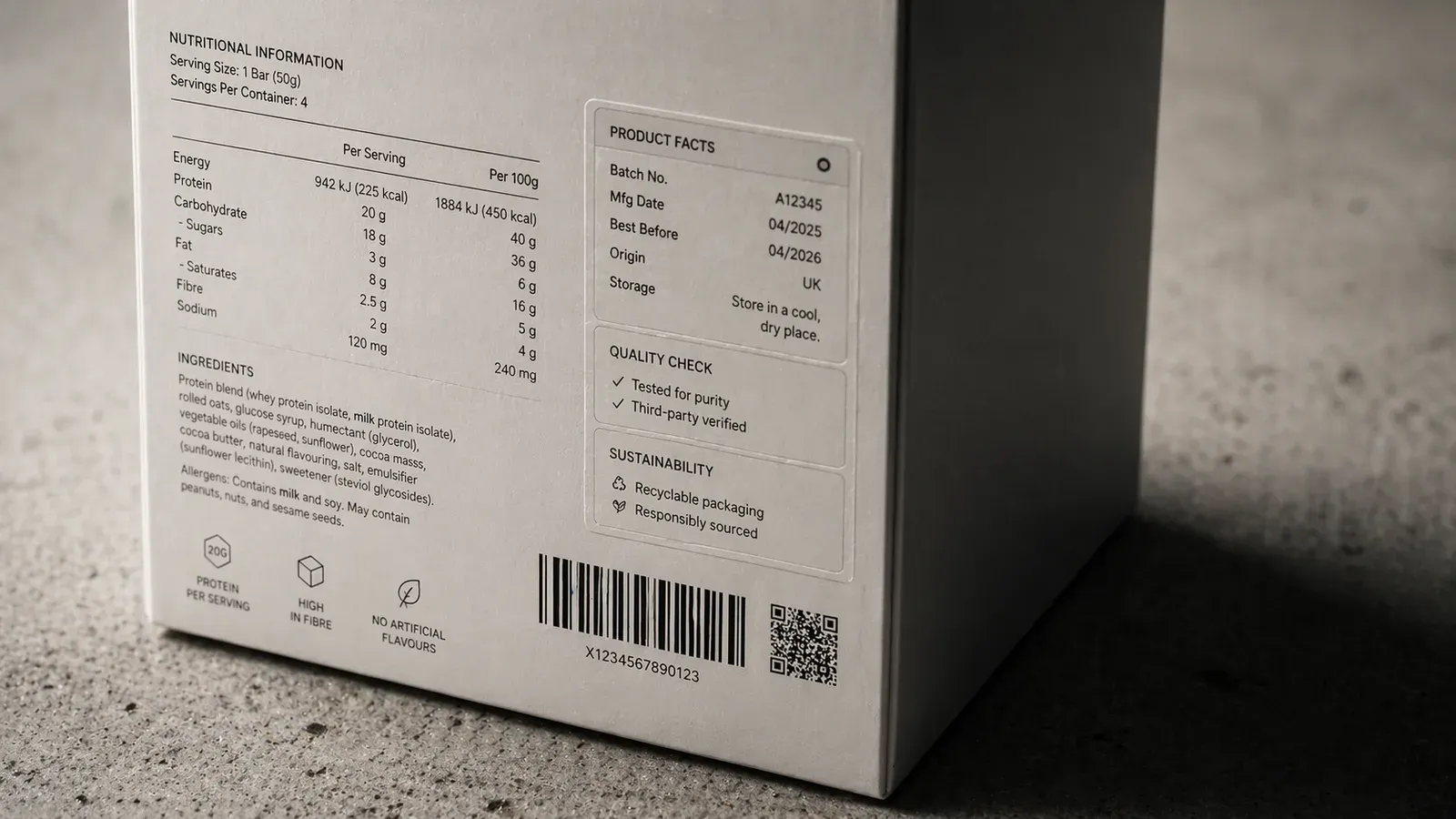
Google’s Nano Banana Pro is the closest competitor, and it’s no slouch. But on sheer precision and fine detail right now, OpenAI’s model is a clear step ahead. That’ll probably flip again in six weeks. These two keep leapfrogging each other.
Here’s what I actually think
The real story isn’t the features. It’s the pace.
OpenAI and Google are trading punches every few weeks now. Every release raises the floor for what these tools can do. If you’re running a business and you wrote off AI image generators six months ago because they couldn’t spell or the hands looked like spiders, that tool probably works now. Worth another look.
The version of the tech you dismissed isn’t the version that exists today.
The bit that actually matters
Images 2.0 is live for every ChatGPT user as of today. Go play with it.
But the real story here isn’t Images 2.0. It’s that OpenAI only shipped this because Google pushed them. That’s the pattern worth protecting.
When competition dies, so does the incentive to improve. Look at how stagnant phone design got the moment the field shrank to two players. Same boring slab of glass for years.
The more AI companies fighting for our attention, the better the tools we all end up with. Root for the rivalry. It’s the reason this stuff keeps getting better.