AI & automation that actually helps.
No hype, no jargon — just honest, practical guidance on using AI and automation in a real small business. Where to start, what is worth your time, and how to save hours each week.
What AI & automation actually mean for your business.
If you run a small business in Australia, you have probably been told you "need to be using AI" at least a dozen times by now — usually by someone who can't quite explain what that means in practice. The hype is loud, the jargon is thick, and most of the advice out there is written for big companies with budgets and teams you simply don't have.
So let's strip it back. Artificial intelligence (AI) is software that can handle tasks that used to need a human — reading and writing text, answering questions, summarising documents, generating images, spotting patterns in data. Automation is connecting those capabilities (and your everyday tools) so repetitive work happens on its own, without you clicking every button. Used together, they take the boring, repeatable parts of running a business off your plate so you can spend more time on the work that actually pays.
Why this matters for a small business — not just the big end of town
The interesting thing about this wave of AI is that it has flipped who benefits most. For decades, technology that saved real labour was expensive and only made sense at scale, so large companies pulled ahead. Today, a sole trader or a five-person team can pick up the same tools the big players use — often for the price of a couple of coffees a month — and claw back hours every single week.
That's a genuine shift. A tradie can have AI draft their quotes and follow-up emails. A café can answer the same twenty Instagram questions automatically. A bookkeeper can summarise a messy email thread into three action points in seconds. None of that requires a tech background — it just requires knowing where to start and what to ignore.
What "using AI" actually looks like day to day
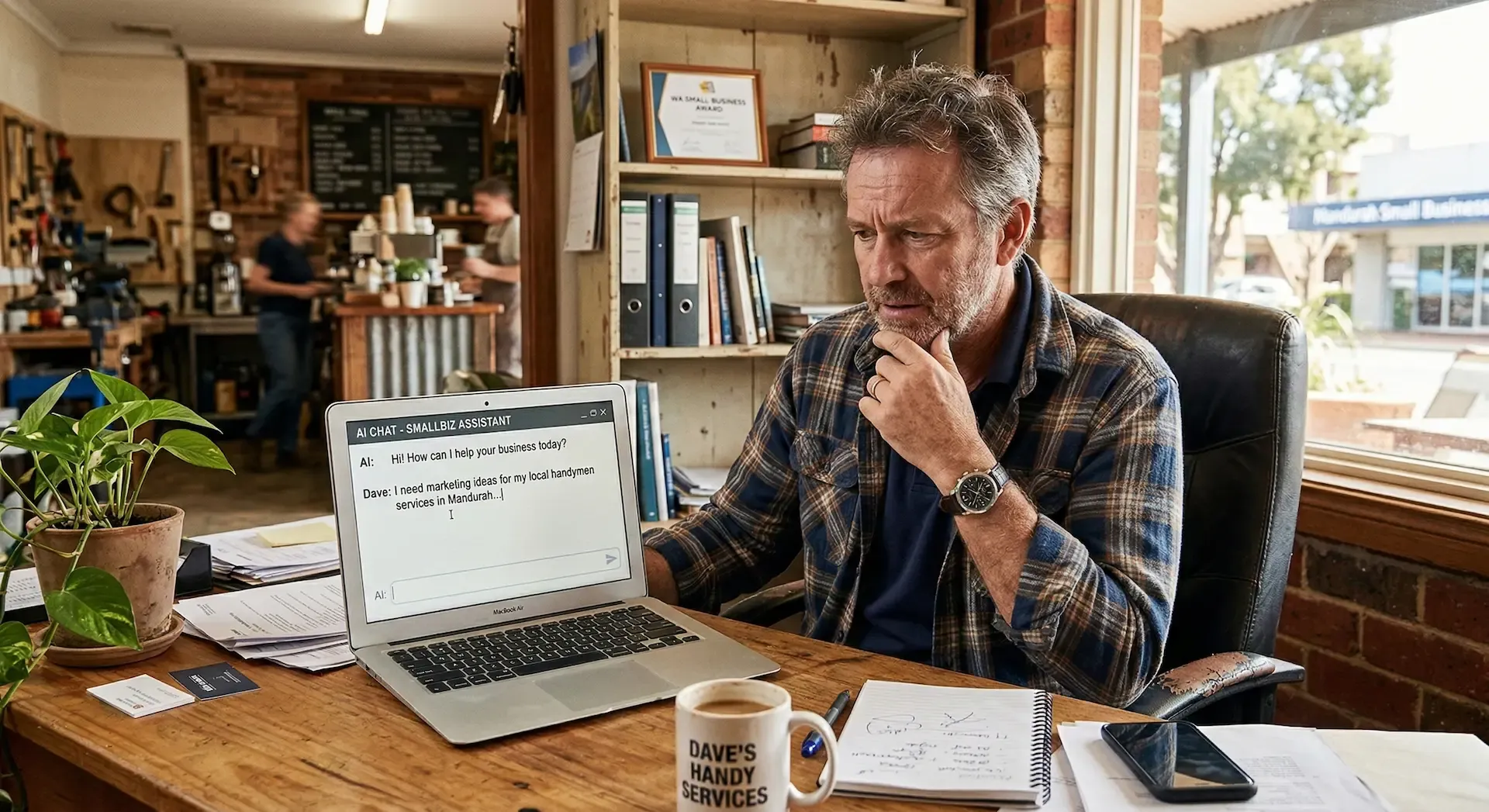
Forget robots and science fiction. For most small businesses, AI shows up as small, practical wins that quietly add up. The most common ones we see locally are:
- Writing and admin: drafting emails, quotes, social captions, and replies so you start from 80% done instead of a blank page.
- Customer questions: a chatbot or auto-reply that handles "Are you open?", "Do you service my area?", and "How much roughly?" around the clock.
- Summarising: turning long emails, meeting notes, or documents into the few points that actually matter.
- Content and marketing: repurposing one blog post or video into a week of social posts without it sounding robotic.
- Behind-the-scenes automation: a new enquiry automatically lands in your inbox, your calendar, and a follow-up reminder — no copy-paste.
The thread running through all of these is simple: AI is best at the repetitive stuff you already know how to do but don't enjoy doing. It is not here to replace your judgement, your relationships, or the reason customers chose you in the first place.
The honest part: what AI won't do
It's worth being straight about the limits, because that's where people get burned. AI confidently makes things up sometimes — so anything customer-facing or factual still needs a human eye. It doesn't understand your business the way you do on day one; the value comes from setting it up properly for your workflow. And it is not a one-click "set and forget" magic button. The businesses getting real results treat it like hiring a very fast, very literal assistant: clear instructions in, useful work out, with you still in charge.
Where Australian small businesses are actually at
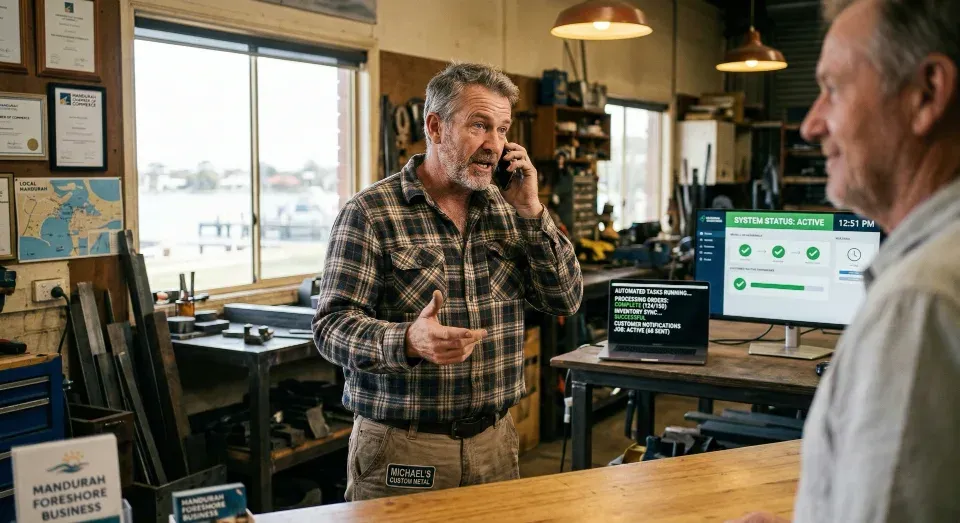
There's a quiet shift happening across WA and the rest of the country. The early "wait and see" crowd is starting to move, not because of the hype, but because they're watching competitors quote faster, reply quicker, and free up hours that used to disappear into admin. You don't need to be first — but being the last business in your area still doing everything manually is a real, measurable cost.
The good news is that getting started is far less daunting than it sounds. You don't need to overhaul anything. The right approach is to pick one annoying, repetitive task, point a tool at it, and see the time come back. Then do the next one. That's how a business goes from "we should look into AI someday" to quietly saving five or ten hours a week.
How to use this section
Everything below is written for exactly that journey. The featured guides cover the best starting points — where to begin, which tools are worth your time, and how to use AI without sounding like a robot. The latest articles keep you up to date as the tools change (and they change fast). Have a read, and start with the one task that's been bugging you most.
Start here: the guides worth reading first.
New to all this? These three cover the essentials — where to begin, what is actually worth your time, and the tools that save the most hours.
AI for Small Business Australia: Where to Start?
Everyone's talking about AI. Half your mates reckon it'll change everything. The other half think it's overhyped. Here's what I actually think after watching Australian small businesses try to figure this stuff out.
AI for Small Business in Australia: What's Actually Worth Your Time in 2026
The hype around AI is everywhere. Here's a practical, no-nonsense look at what's genuinely useful for small business owners in Australia right now.
5 AI Tools That Save Your Business 10 Hours a Week
I'm not going to give you a list of 50 tools and leave you to figure it out. Here are 5 that actually work, what they're good for, and what they won't do.
Latest in AI & automation.
Fresh thinking on the tools and tactics as they change — and they change fast.
Your Website Content Still Matters in 2026. Here's How to Structure It for AI Search
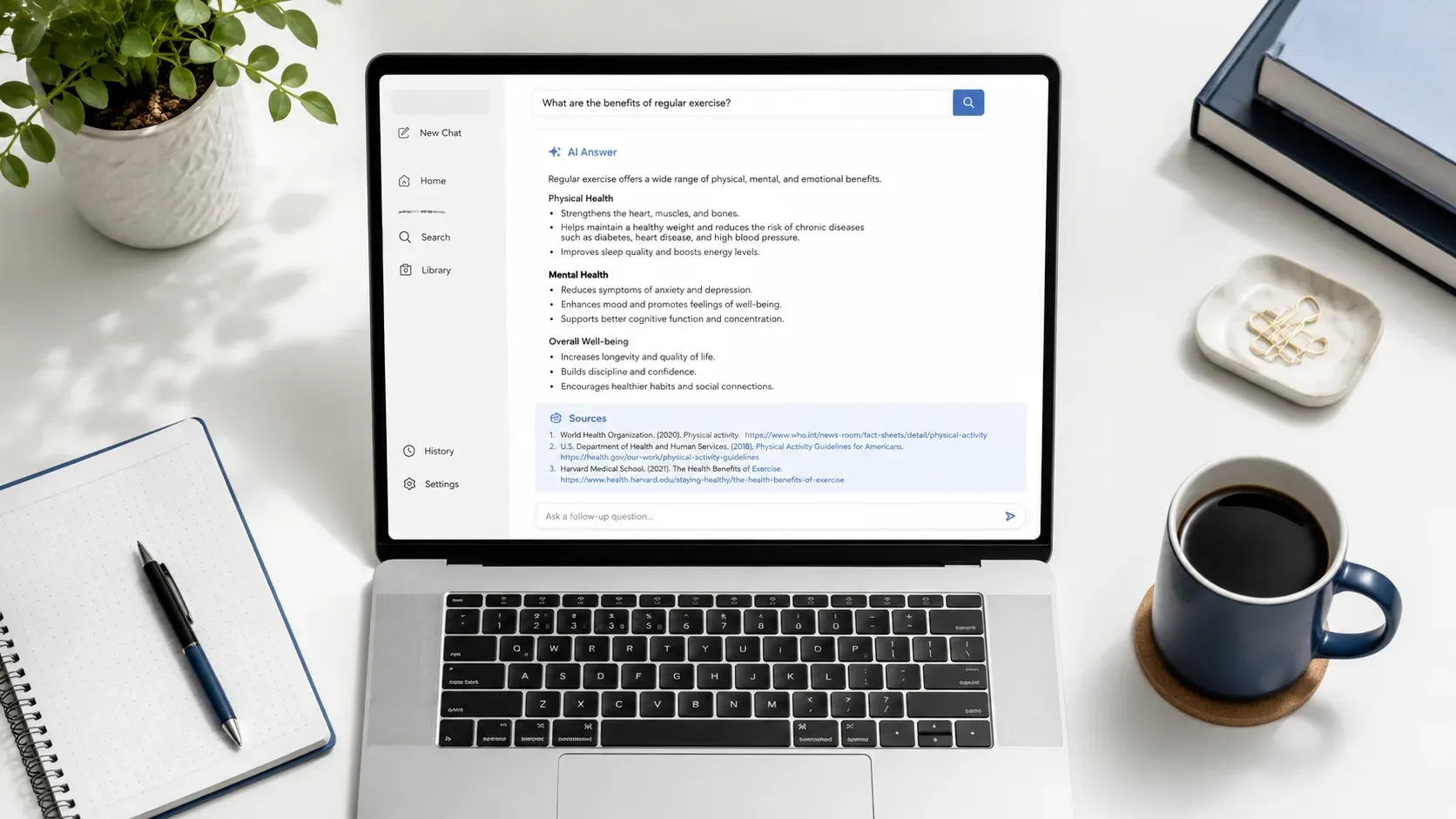
AI is now generating the search results your customers see. Here's what that means for your website content and exactly how to structure it so AI cites you instead of your competitors.
Google Says llms.txt Doesn't Matter Yet
Google's John Mueller called llms.txt 'purely speculative for now' — but those two words matter. Here's what he actually said, what he left open, and what you should do.
OpenAI Just Dropped Images 2.0 And It's Actually Good Now
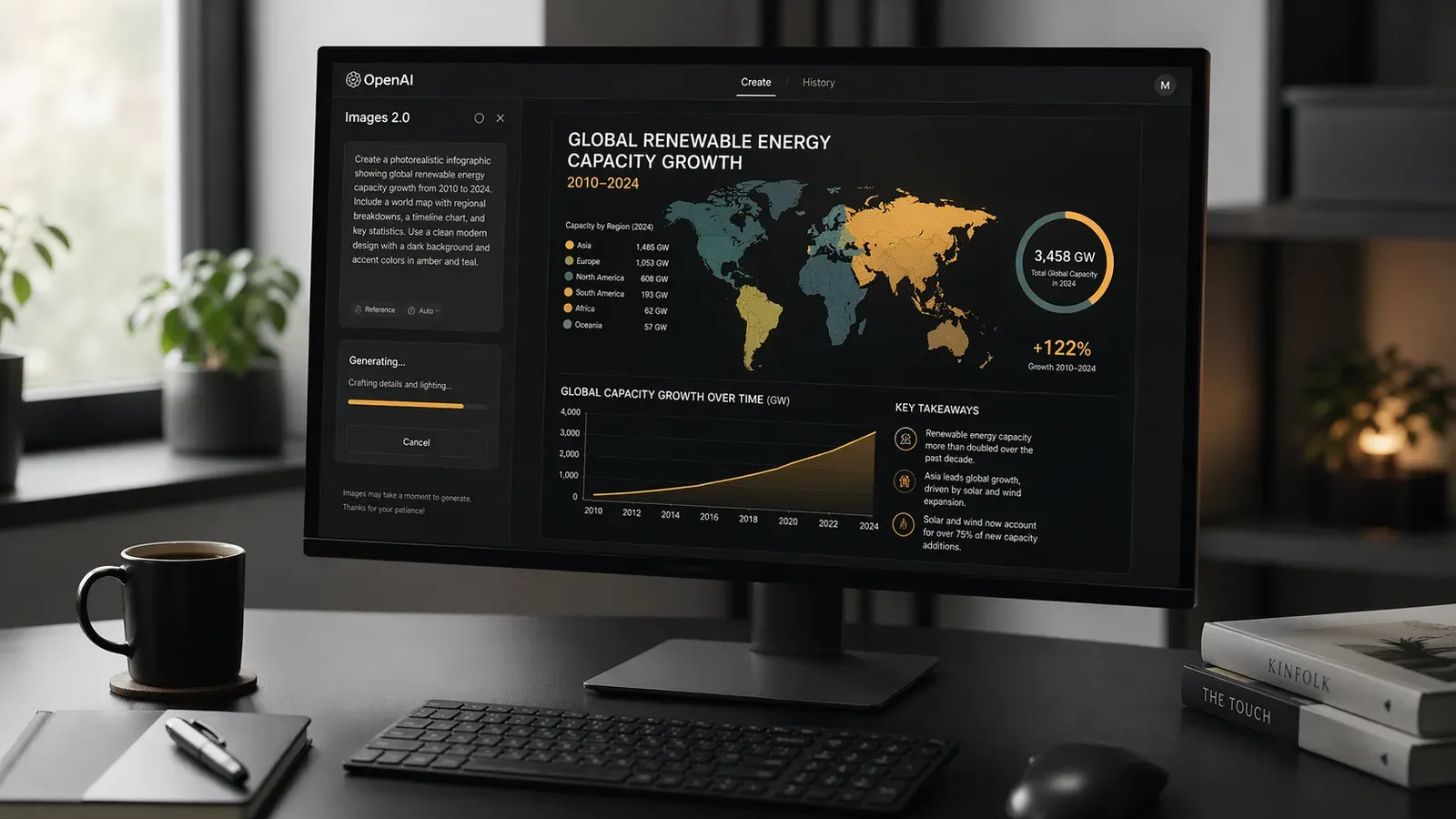
OpenAI launched Images 2.0 this week. Text works. Detail holds. But the real story isn't the features, it's why they shipped it at all.
I Got Sick of Doing It Manually So I Built My Own AI Tool
Most AI advice tells you to use someone else's pre-built tool. Here's why building your own beats all of that — and how I did it with Google AI Studio.
AI Consulting for Small Business in Mandurah and What It Actually Looks Like
Most small business owners don't know where to start with AI. Here's what the first conversation actually looks like and how to find the quick wins without the hype.
Amazon Launched Health AI — Worried or Excited?
Amazon's rolling out AI across healthcare — from clinic scheduling to reading your medical history. Here's what it actually means for small business owners watching AI reshape every industry.
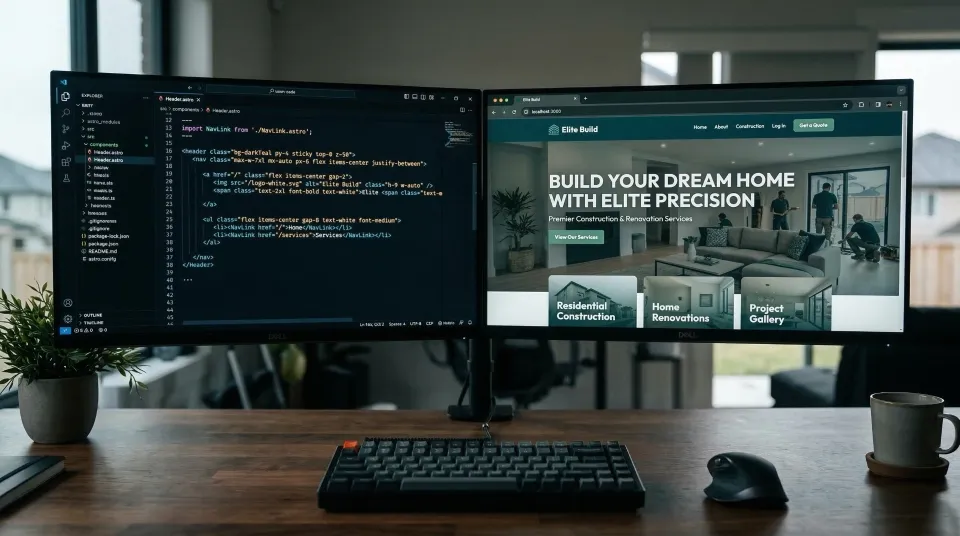
How I Built a Landing Page in Astro Using Claude
I took an existing landing page built in a page builder and rebuilt it in Astro using Claude as my dev partner. Here's exactly how it went — from first prompt to live Meta ad tracking.
Claude Skills: The AI Feature You're Sleeping On
Claude Skills let you write instructions once and have AI follow them every time. Here's what they are, how they work, and where to find them.
AI Automation for Tradies and Local Service Businesses
Every AI article talks to tech companies and marketing agencies. This one is for the sparky, the plumber, the landscaper, and the cleaning business trying to figure out if any of this is actually relevant to them. It is.
AI Won't Replace You — But It Will Change Your Workload
Every second headline is about AI taking jobs. Here's the less dramatic but more useful truth about what it actually does to the day-to-day work of running a small business.
How to Use AI for Marketing Without Sounding Like a Robot
AI-generated marketing content has a smell to it. You know the one — generic, slightly too polished, oddly enthusiastic about nothing in particular. Here's how to use AI without producing that.
The Real Cost of Not Using AI in Your Business
There's a lot of talk about the cost of using AI. Nobody talks much about the cost of not using it. Let's fix that.
Why WA Small Businesses Are Taking AI Seriously
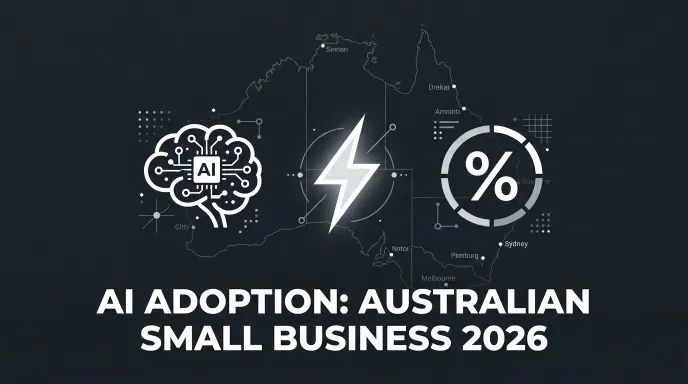
WA jumped 8 percentage points in AI adoption in a single quarter. That's not a trend, that's a shift. Here's what's actually driving it and what it means for local businesses.
How Can AI Help Small Business Owners in Australia?
AI is becoming a practical tool for Australian small businesses. Here's how it can save time, reduce costs, and boost productivity — used properly.
How AI Tools Help Your Business Without Replacing Staff
AI doesn't have to be scary. I break down practical ways small businesses are using AI to work smarter, not harder.







Want a hand putting this into practice?
Reading is one thing — getting it set up for your business is another. These services turn the ideas above into hours saved.
Web design
A fast, modern website that turns visitors into enquiries — designed, built and looked after by me.
Digital marketing
Use AI to sharpen your marketing, from content generation to data-driven campaigns that bring in the right customers.
Let's have a chat.
Tell me what you're trying to fix or grow and I'll tell you what I'd do about it — whether or not you end up hiring me.